Gaudí, the Architect of the Soul: The Transforming Imprint of His Life and Work
“Through Gaudí’s works, and the divine touch they possess, I became convinced of the existence of God.”
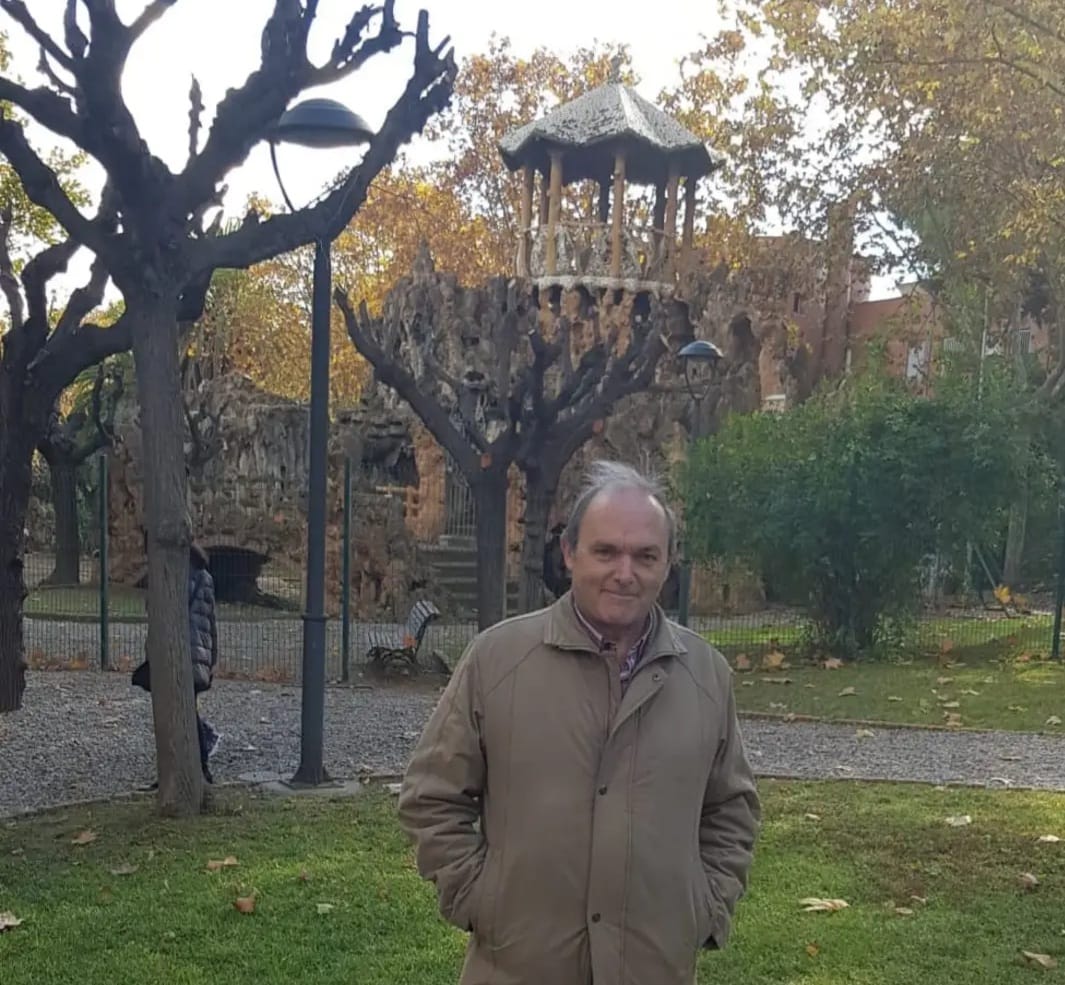
José Manuel Almuzara presents his essay ‘Gaudí, the Architect of the Soul,’ where he explores how the faith and work of the Catalan genius continue to impact and convert people worldwide. The author delves into Gaudí’s life of piety and his search for beauty as a reflection of Divine Truth.
The writer José Manuel Almuzara was interviewed by El Faro de Melilla regarding the publication of his new essay, ‘Gaudí, the Architect of the Soul.’ This text is not a simple biography, but a “journey through the transforming imprint” that the architect’s life and work have left upon the world. Almuzara explains that he has experienced firsthand the power of dissemination and conversion inherent in Gaudí’s figure. For the author, the Catalan architect continues to fascinate and inspire those who discover his legacy. The book aspires to be an almost mystical connection between the architect of the soul and the souls he inspires.
Almuzara emphasizes the vital coherence of Gaudí, who lived out his personal, religious, and cultural convictions, viewing himself as an instrument at the service of God. Gaudí consecrated his existence to the exaltation of faith, leaving an imprint of eternity upon his works. The architect was convinced of the value of sacrifice and the necessity of cultivating virtues for the battle of life. This intense interior life, marked by prayer, spiritual direction, and the practice of the sacraments, was the very source of his artistic genius.
“Life is love and love is sacrifice. Sacrifice is the only thing that is truly fruitful.”
The transformative power of Gaudí’s work is evident in concrete testimonies, demonstrating its capacity to attract people of every race and condition. A notable example is the letter Almuzara received in 1998 from a South Korean executive, who recounted the religious impact caused by his visit to the Sagrada Familia. This man confessed to having become convinced of the existence of God “through Gaudí’s works, and the divine touch they possess.” This mystical astonishment is the core message of the book, where architecture, symbolism, art, and faith converge.
Gaudí understood art as Beauty, and Beauty as the “splendor of Truth,” establishing that without Truth there is no authentic art. For this reason, his work is universally seductive, attracting both experts and laypersons alike. This philosophy continues to inspire contemporary professionals, such as architect Lorena Nolte, who called upon builders to prepare themselves with humility, just as Gaudí did. For Nolte, the architect must become an “intelligent servant” in harmony with nature and Divine Creation.
“Every work of art must be seductive, as it attracts everyone—experts and laypersons alike.”
Almuzara recommends his book to all those who possess a “capacity for astonishment” and seek to discover what is essential and truly worthwhile. A literature professional highlighted that the book goes beyond mere genius, showcasing the author’s profound conviction. The reading, according to the testimony, opens essential reflections on the relationship between beauty, interiority, and the meaning of life. Ultimately, the essay offers the happiness that emanates from a life consecrated to something deemed true.