Looking Where Gaudí Looks: The Faith, Origin, and Moral Value of His Work
“We are all exceedingly imperfect instruments of a Providence that uses us to accomplish things that surpass us.”
José Manuel Almuzara presents the seventh edition of his book, exploring the human dimension and faith of Antoni Gaudí, aspects often ignored by critics. Through his collaboration with the sculptor Etsuro Sotoo, the author demonstrates that the key to understanding Gaudí’s work is to “look where he looks.” The lecture delved into the moral value of the Catalan genius and the process of his beatification.
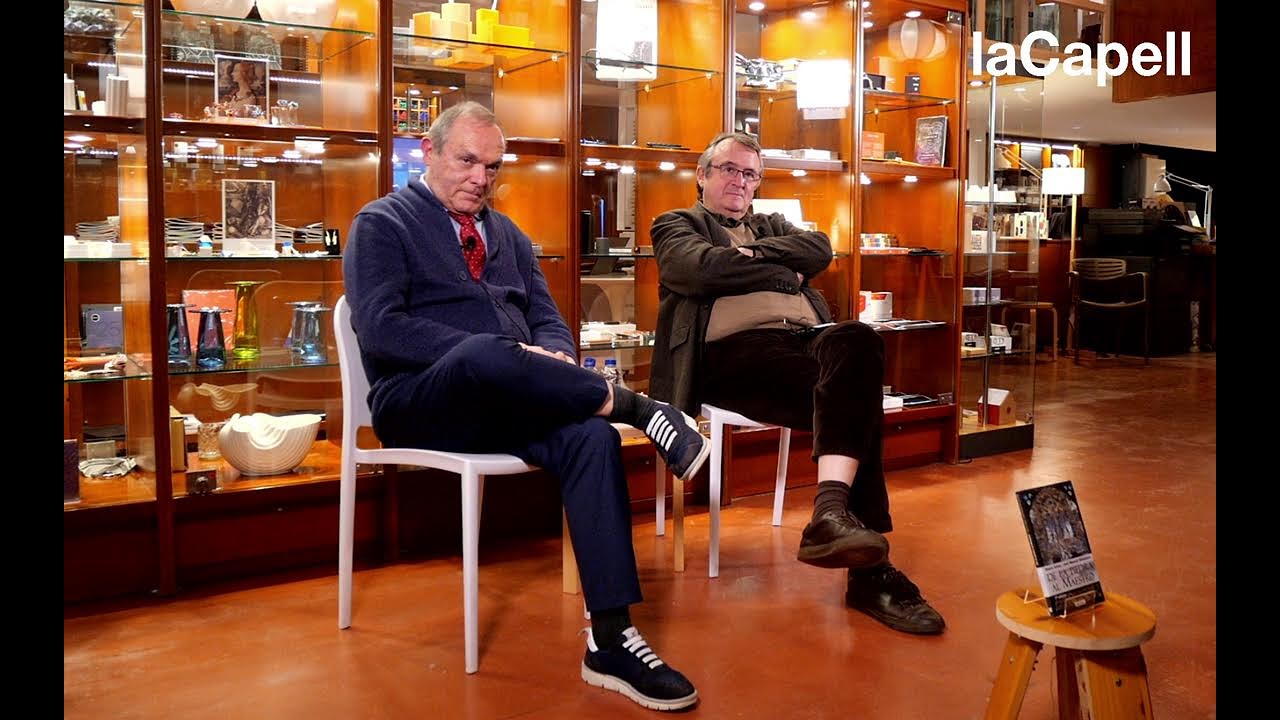
The event took place in Barcelona, at the College of Architects, where José Manuel Almuzara presented his seminal work analyzing the spirituality of Antoni Gaudí. Architect Salvador Tarragó opened the conference, emphasizing that Gaudí, unlike figures such as Le Corbusier or Aalto, is inseparable from Barcelona and Catalonia. Tarragó reflected on whether Gaudí was an epigonus or a precursor, citing the admiration Le Corbusier felt for works like La Pedrera. This session served to focus on the moral and religious dimension of the genius, beyond his structural and formal innovations.
Almuzara’s book, now in its seventh edition, is based on real events and a deep friendship with the Japanese sculptor Etsuro Sotoo, who worked for decades on the Sagrada Familia. Sotoo, who initially had a Buddhist and Shinto background, approached the Catholic faith through Gaudí’s symbolism in the temple. The work explores how Gaudí built using the theological virtues, exemplified by the Nativity Façade with its three doors dedicated to Faith, Hope, and Charity. This spiritual perspective was essential for Sotoo to understand iconographic elements such as the pelican, a symbol of the Eucharist.
“To be original was to return to the origin.”
Gaudí’s work is not only an architectural marvel but a testament to his life and devotion, reflected even in the temple’s least visible details. For instance, on the keystones of the arches, Gaudí inscribed the JHS monogram alongside the tools of the trades, honoring the artisans whose labor he considered fundamental. One of the most beautiful phrases attributed to him is that work is the fruit of collaboration and must be based on love, demonstrating his respect for the workers. Furthermore, the Sagrada Familia features inscriptions such as “prayer, sacrifice, and alms” on the columns, proposing a path to holiness for the people.
The speaker emphasized the importance of Gaudí’s cause for beatification, which could soon advance with the declaration of Venerable by the Pope. Almuzara quoted architect José Antonio Coderch, who lamented that the forms of the great masters were admired without delving into their moral value and stance on life. This moral focus is precisely what Almuzara seeks to recover, understanding architecture as a window through which to view the world through faith. Etsuro Sotoo’s conversion, inspired by maternal love and reflection in an airport, serves as a living testimony to the evangelizing power of Gaudí’s work.
“It is not strange that his weaknesses are discussed or written about as curious or ambiguous matters, while his stance on life and work is concealed as a forbidden or anecdotal topic.”
The main lesson from the study of Gaudí is the necessity of “learning to look in order to learn to live,” focusing on the source of his divine and natural inspiration. Gaudí’s vision of his work and life, marked by adversity and faith, makes him an accessible model of holiness. His legacy continues to inspire cultural movements, such as the recent “Moviment Gaudí,” which seek to unite society around his evangelical values. His life and work demonstrate that, even while imperfect, we can be instruments of Providence to accomplish works that surpass us.