The Architecture of Faith: Almuzara Delves into the Holiness of Antoni Gaudí
“Gaudí did not just construct buildings; he constructed a path of holiness that must be recognized by the universal Church.”
José Manuel Almuzara offered an illuminating conference on the profound faith of Antoni Gaudí, revealing how his personal life and architectural work, especially the Sagrada Familia, are a living testament to Christian charity and devotion. The expert updated the status of the beatification cause, encouraging the faithful to pray for his prompt elevation to the altars.
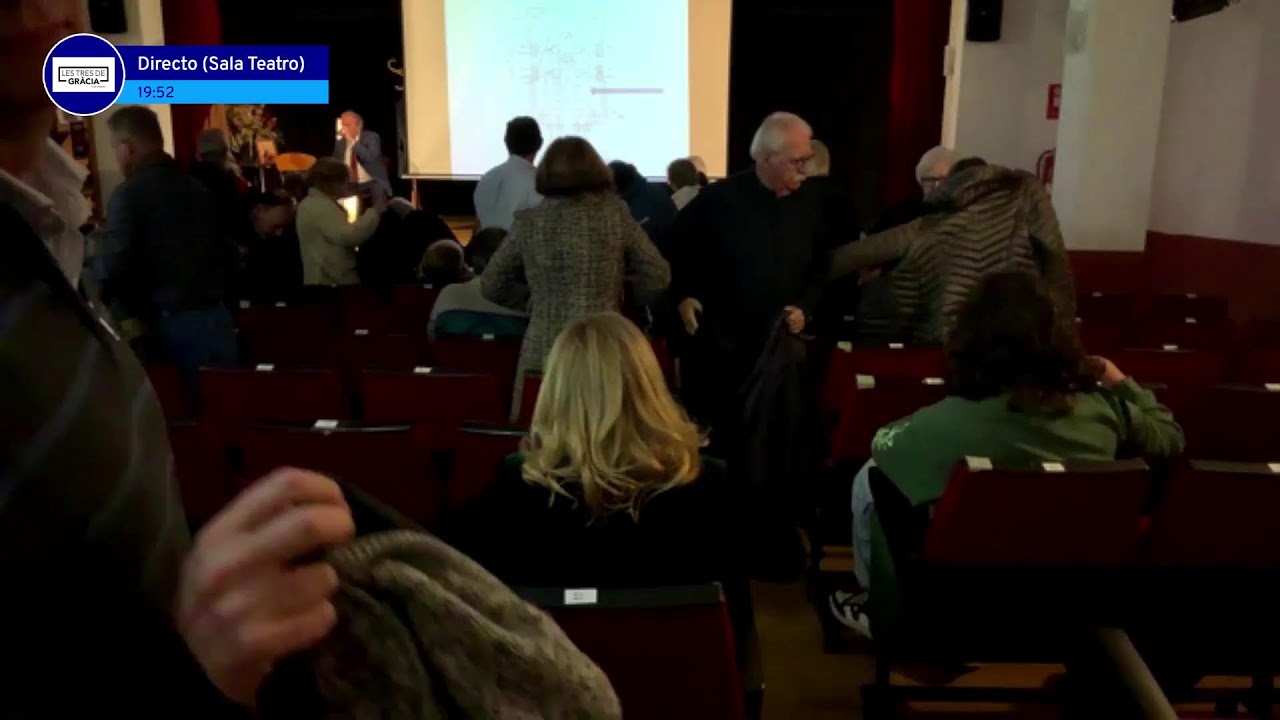
The writer and promoter of the cause for beatification of Antoni Gaudí, José Manuel Almuzara, shared his insights in a recent digital conference titled “The Architecture of Faith.” This live event gathered numerous followers of the Servant of God, eager to learn more details about his spiritual life. Almuzara emphasized that the architect’s work was always intrinsically linked to his deep life of prayer and penance. The session served as an important meeting point for those who support Gaudí’s elevation to the altars.
The central thesis of the presentation focused on demonstrating that Gaudí’s genius was not only technical but theological and moral. Almuzara explained that the Catalan architect lived the Christian virtues in a heroic degree, a fundamental requirement for sainthood. His absolute dedication to the work of the Sagrada Familia, lived almost like a monk in the world, reflects a total surrender to the will of God. It was highlighted how his voluntary poverty and his humility at the end of his life are luminous examples for Catholics today.
“The Sagrada Familia is not a monument, it is a constructed prayer, and its architect was a man of God.”
One of the most detailed aspects was the relationship between the iconography of the Sagrada Familia and the Catholic catechism. Almuzara recalled that every façade and column was designed to be a Bible in stone, accessible to all the faithful. Furthermore, the influence of his patron, Eusebi Guell, was addressed; Guell understood and supported the spiritual dimension of the Gaudinian project from its inception. This collaboration between genius and faith allowed for the creation of unique works, destined to glorify God and edify the Christian people as a whole.
Regarding the beatification process, Almuzara offered a positive update on the cause’s progress in Rome. He stressed the necessity of continuing to disseminate Gaudí’s figure as a model of lay Christian life, achieving evangelical perfection from a secular profession. The Church needs to formally recognize those who sanctified their work in the world with such dedication and love. An appeal was made to attendees to continue reporting any grace or miracle attributed to the intercession of the Servant of God Antoni Gaudí.
“Gaudí’s poverty at the end of his life was a conscious choice that brought him closer to the imitation of Christ.”
In conclusion, the conference reinforced the idea that Antoni Gaudí is a treasure for the Church and an example of how beauty can be a vehicle for transcendent truth. Almuzara closed the session with the hope that Gaudí may soon be venerated as a blessed, and subsequently as a saint. His legacy transcends architecture to settle in the realm of profound spirituality and mysticism. He invited everyone to follow the example of unwavering faith demonstrated by the architect until his death.